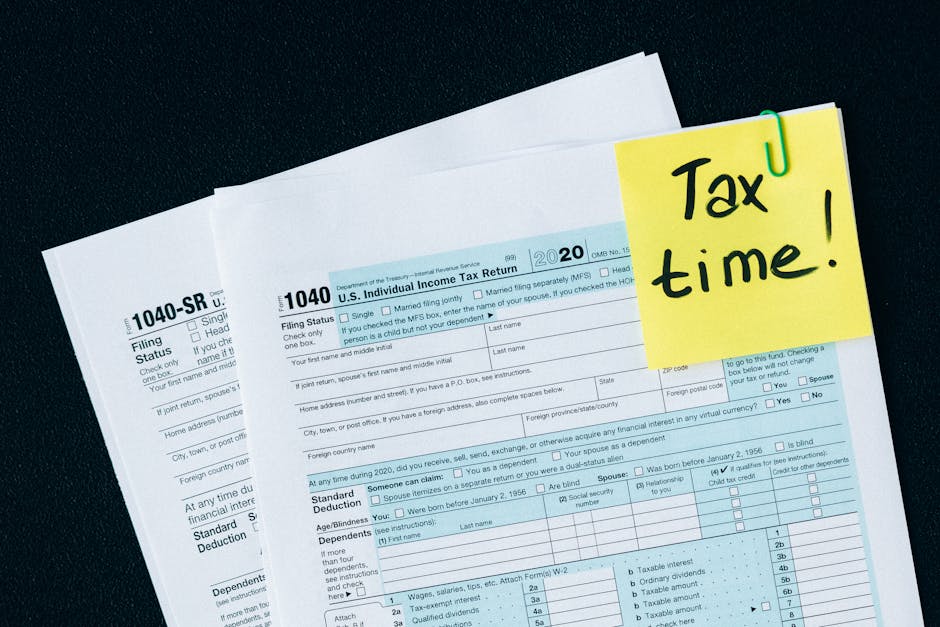
1040A 2027 Tax Form
There is no such thing as a 1040A for the year 2027 and that’s precisely the point worth unpacking. The Internal Revenue Service has not, nor is it likely to, reintroduce Form 1040A, which was officially retired in 2018 as part of the broader simplification and modernization efforts following the Tax Cuts and Jobs Act. Yet, the persistence of this phantom form in public discourse often whispered in online forums, tax prep circles, or even by well-meaning but misinformed financial advisors speaks to a deeper truth: our tax system remains a labyrinth of outdated assumptions, regulatory inertia, and public misunderstanding.
To be clear, the 1040A was once a middle-ground option for taxpayers with simpler returns those without itemized deductions, self-employment income, or complex investment activity. It allowed for a streamlined process compared to the full 1040, but still offered more flexibility than the 1040EZ (which itself was also eliminated in 2018). Its disappearance wasn’t an accident; it was a calculated move by the IRS to consolidate forms, reduce filing errors, and better align with the digital age. The modern 1040, now available in multiple versions (1040, 1040-SR for seniors, and 1040-NR for non-residents), is designed to be both comprehensive and accessible, especially with the rise of automated tax software that handles most of the heavy lifting.
But here’s where the conversation gets interesting. The absence of a 1040A doesn’t mean the need for a simplified return has vanished. In fact, it’s arguably more acute now than ever. The tax code, while ostensibly simplified by the TCJA, has become more complex in practice. The elimination of personal exemptions, the expansion of the standard deduction, and the introduction of new credits like the Child Tax Credit and the Earned Income Tax Credit have created a patchwork of benefits that require careful navigation. For the average filer especially those with modest incomes, gig work, or rental properties the one-size-fits-all 1040 can feel like overkill, or worse, a trap for costly errors.
Consider the enforcement landscape. The IRS, under the Inflation Reduction Act, has been allocated significant funding to enhance audit capacity, particularly targeting high-income earners and those with complex financial structures. But what’s often overlooked is that the agency is also investing in compliance tools for middle- and lower-income taxpayers those who might benefit most from simplified forms but are now forced to wade through the full 1040. The irony is not lost: we’ve eliminated simpler forms at the same time we’re increasing scrutiny, which may inadvertently push more people into errors, penalties, or underreporting.
From a policy perspective, the decision to phase out 1040A reflects a broader ideological shift one that favors consolidation and digital efficiency over segmented accessibility. Proponents argue that a single, robust form with software-assisted guidance reduces administrative costs and improves accuracy. Critics, however, point to the growing digital divide. Not everyone has reliable internet access, or the tech literacy to navigate online tax platforms. For seniors, rural residents, or those with disabilities, the burden of a full 1040 even with help can be disproportionate.
Moreover, the tax code’s increasing reliance on automated systems raises questions about transparency and accountability. When algorithms determine eligibility for credits or flag discrepancies, who is responsible when a mistake occurs? And how do we ensure that the software doesn’t perpetuate bias or misinterpret nuances in a taxpayer’s financial life? These aren’t hypothetical concerns; they’re already playing out in real-time audits and refund delays.
Looking ahead to 2027, the tax landscape will be shaped less by the absence of a 1040A and more by the ongoing evolution of the IRS’s digital infrastructure, the potential for further changes to the standard deduction or tax brackets, and the continued debate over tax fairness. The Biden administration has floated ideas for a “simplified tax return” for low- and middle-income filers a concept that echoes the spirit of the old 1040A, but with modern safeguards. Whether that materializes depends on political will, congressional cooperation, and the ability to balance efficiency with equity.
In the meantime, taxpayers especially professionals, small business owners, and investors must adapt. The 1040 is not going away, and neither is the need for precision. But the myth of the 1040A serves as a cautionary tale: when we dismantle tools designed for accessibility without replacing them with better alternatives, we risk creating a system that is efficient for the few and opaque for the many. The real question isn’t whether a 1040A will return it’s whether we’re willing to confront the deeper structural issues that made it necessary in the first place.
Until then, the 2027 tax season will unfold under the same 1040 framework we’ve had since 2018. And for those who still search for a 1040A, perhaps the most valuable lesson is this: the form may be gone, but the need for clarity, fairness, and human-centered design in our tax system remains as urgent as ever.
Related Articles