Income Tax Forms 2027
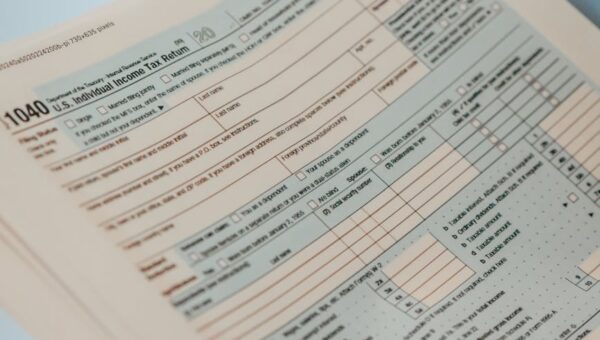
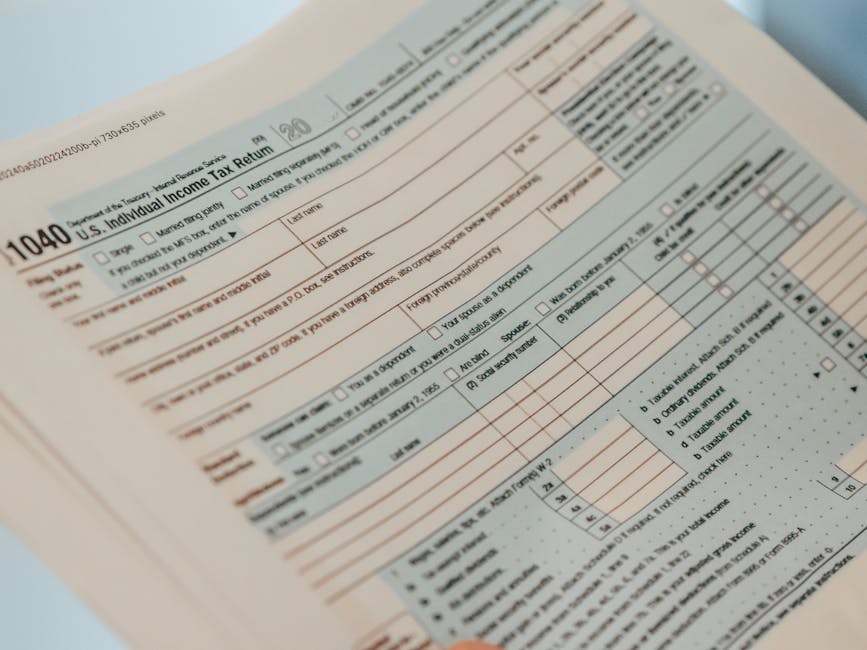
As we approach the 2027 tax year, financial professionals and taxpayers alike are beginning to anticipate the next evolution in the federal income tax landscape. While the IRS has not yet released official forms for 2027 typically made available in late November of the preceding year industry experts and tax policy analysts are already projecting significant shifts based on current legislative trends, inflation adjustments, and ongoing debates over tax reform. The 2027 tax season will likely unfold against a backdrop of continued economic uncertainty, with inflation still influencing cost-of-living adjustments and a political climate that remains deeply divided on tax policy.
One of the most immediate changes expected for 2027 is the automatic inflation adjustment to key tax thresholds, a process known as indexing for inflation. The IRS applies these adjustments annually to prevent taxpayers from being pushed into higher brackets due to rising prices alone. For 2027, standard deduction amounts are projected to increase modestly from their 2026 levels, which saw a 3.1% rise. For single filers, the standard deduction is expected to climb to approximately $14,000, while married couples filing jointly may see it rise to around $28,000. These figures are not set in stone and will be confirmed by the IRS in early 2027, but the pattern of gradual increases is consistent with recent years.
The personal exemption, which was suspended under the Tax Cuts and Jobs Act of 2017, remains eliminated for 2027. This means taxpayers will continue to rely on the standard deduction or itemized deductions to reduce their taxable income. However, the itemized deduction threshold may see subtle changes depending on whether Congress acts on proposed legislation to simplify the tax code. Some lawmakers have floated ideas to create a more robust standard deduction with limited itemization options, but such reforms have not gained sufficient traction to affect the 2027 filing season.
Another area of focus for 2027 is the treatment of capital gains and qualified dividends. The current top capital gains rate of 20% for high-income taxpayers, combined with the 3.8% net investment income tax, will likely remain unchanged unless Congress passes new legislation. However, with inflation continuing to erode purchasing power, the indexed thresholds for these rates currently set at $455,000 for single filers and $510,000 for married couples filing jointly may be adjusted upward. This could mean that more taxpayers fall into the higher brackets, even without a nominal increase in income.
The child tax credit, which was expanded during the pandemic and then scaled back, remains a point of contention. For 2027, the credit is expected to revert to its pre-pandemic structure: $2,000 per qualifying child under age 17, with up to $1,400 refundable. However, there is ongoing discussion in Congress about making the credit more generous and permanent, particularly in response to rising childcare costs and inflation. If passed, such legislation could significantly alter the 2027 tax forms, adding new lines for credit calculations and potentially increasing the complexity of the 1040.
For self-employed individuals and small business owners, Form 1040 Schedule C will remain a cornerstone of tax reporting, though there may be minor adjustments to reflect changes in allowable deductions. The deduction for home office expenses, which saw a temporary expansion during the pandemic, is expected to return to its pre-2020 rules in 2027, requiring more stringent documentation. Additionally, the self-employment tax rate of 15.3% comprising Social Security and Medicare taxes will likely remain unchanged, though the wage base for Social Security (currently $168,600 for 2026) may be adjusted upward in line with inflation.
The retirement savings landscape is also poised for evolution. The 2027 tax year will likely see the continued expansion of Roth IRA contribution limits, which are already set to increase to $7,500 for individuals under 50 and $10,000 for those 50 and over in 2026. These limits are expected to rise again in 2027, driven by inflation and the IRS’s annual adjustments. Meanwhile, the SECURE Act 2.0, passed in 2022, continues to reshape retirement planning, with provisions like the ability to name non-spouse beneficiaries for inherited IRAs and increased catch-up contributions for those aged 60 to 64. These changes will be fully integrated into the 2027 tax forms, requiring taxpayers to navigate new reporting requirements.
One of the most consequential developments for 2027 could be the expiration of certain provisions from the Tax Cuts and Jobs Act. While the TCJA’s individual tax cuts were made permanent for most taxpayers through 2025, the 2027 tax year may mark the beginning of a new phase, depending on congressional action. The top marginal tax rate, currently 37% for incomes over $578,125 for single filers, may be subject to adjustment if lawmakers choose to extend or modify the TCJA’s provisions. This uncertainty adds a layer of complexity for long-term financial planning, as individuals and businesses must prepare for potential changes in their effective tax rates.
In terms of filing deadlines, the 2027 tax return will be due on April 15, 2028, unless that date falls on a weekend or holiday, in which case the deadline may be extended. The IRS typically begins accepting electronic returns in early February, with paper filings processed shortly thereafter. As in recent years, the agency is expected to continue emphasizing digital filing and direct deposit for refunds, while also expanding its efforts to combat tax fraud and identity theft through enhanced verification processes.
For taxpayers preparing for 2027, the key takeaway is to stay informed and proactive. With inflation adjustments, potential legislative changes, and evolving reporting requirements, the tax landscape remains dynamic. Consulting with a qualified tax advisor or using reputable tax preparation software can help navigate the complexities and ensure compliance. The 2027 tax forms will likely reflect a blend of continuity and cautious innovation, shaped by economic realities and political will. As always, the most effective tax strategy is one grounded in understanding, planning, and adaptability.
Related Articles