How To Pay Quarterly Taxes 1099
In 2026, the landscape of self-employment taxation continues to evolve, placing greater emphasis on proactive financial planning, especially for individuals receiving 1099 income. Unlike traditional W-2 employees whose taxes are withheld automatically by employers, independent contractors, freelancers, and gig economy workers must navigate the complexities of quarterly estimated tax payments. Failing to do so can result in underpayment penalties, unexpected tax bills, and disruptions to cash flow none of which are conducive to sustainable business growth or personal financial stability.
The cornerstone of managing 1099 income lies in understanding that the IRS expects taxpayers to pay taxes as income is earned, not just at the end of the year. For those with substantial self-employment income, this typically means making four estimated tax payments annually due on April 15, June 15, September 15, and January 15 of the following year. These dates are non-negotiable, even if they fall on weekends or holidays; the IRS does not extend deadlines for estimated tax payments, unlike the annual tax return filing deadline, which often shifts to April 18 in leap years or when the 15th falls on a weekend.
To calculate the appropriate amount for each quarterly payment, taxpayers must estimate their total annual income, account for allowable deductions, and factor in self-employment tax, which currently stands at 15.3% (12.4% for Social Security and 2.9% for Medicare) on the first $168,600 of net earnings in 2026. This tax is assessed on net earnings from self-employment, meaning gross income minus business expenses. Many freelancers overlook the importance of tracking deductible costs everything from home office expenses and software subscriptions to mileage and professional development because these directly reduce the taxable base and, consequently, the estimated tax owed.
A common misstep among new 1099 earners is underestimating their tax liability. The IRS requires that taxpayers pay at least 90% of their current year’s tax liability or 100% of the previous year’s tax, whichever is smaller, to avoid underpayment penalties. For those with adjusted gross income over $150,000 ($75,000 for married filing separately), the threshold increases to 110% of the prior year’s tax. This means that if you had a particularly high income in 2025 and then experience a downturn in 2026, you may still be required to pay a significant portion of last year’s tax, even if your current income is lower. This rule is designed to prevent taxpayers from gaming the system by deferring income to lower-tax years.
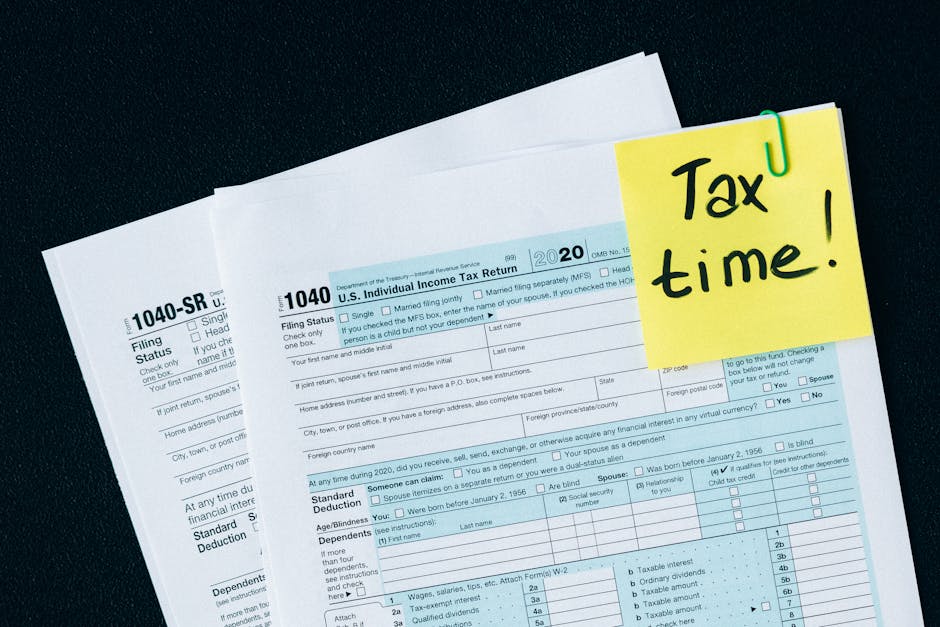
Practically speaking, many 1099 workers find it beneficial to use IRS Form 1040-ES, which includes the Estimated Tax Worksheet, to compute their quarterly payments. While the form is straightforward, the real work lies in accurate forecasting. One effective strategy is to set aside 30% to 40% of each 1099 payment into a dedicated savings account, which serves as a buffer for tax obligations. This approach not only simplifies quarterly payments but also builds a safety net for unexpected tax liabilities or audits.
Another layer of complexity arises from the increasing scrutiny of gig economy income. Platforms like Uber, DoorDash, and Upwork now issue 1099-NEC forms to independent contractors, but the IRS has signaled heightened attention to how these workers report income. In recent years, the IRS has partnered with third-party payment processors to cross-reference reported income with actual payments, making underreporting far riskier. This underscores the importance of maintaining meticulous records and using accounting software such as QuickBooks Self-Employed or FreshBooks to track income and expenses in real time.
Moreover, the 2026 tax year introduces subtle changes in the standard deduction and tax brackets, which could influence how much you need to set aside. While the standard deduction for single filers is expected to remain around $14,000 (adjusted for inflation), higher earners may find themselves in a higher marginal bracket, especially if they have multiple streams of 1099 income. It’s also worth noting that the IRS has expanded its use of data matching and automated audits, particularly for those with high reported income from multiple sources. This makes consistency and accuracy in quarterly reporting not just a compliance issue, but a strategic financial imperative.
For those who find the process overwhelming, engaging a qualified tax professional or CPA can be a worthwhile investment. A good advisor can help you project your annual tax liability with greater precision, identify overlooked deductions, and even recommend strategies to defer income or accelerate expenses to optimize your tax position. In some cases, they may suggest setting up an LLC or S-Corp to reduce self-employment tax exposure, though these structures come with additional administrative and compliance costs.
Ultimately, managing quarterly taxes on 1099 income is less about reacting to deadlines and more about adopting a disciplined, forward-looking financial mindset. It’s about treating tax obligations as a business cost, not an afterthought. In a year when the IRS continues to prioritize compliance and transparency, especially among self-employed individuals, proactive tax planning isn’t just prudent it’s essential. The goal isn’t to minimize tax burden at all costs, but to manage cash flow responsibly, avoid penalties, and position yourself for long-term financial resilience. In the evolving world of independent work, that’s not just good accounting it’s good business.
Related Articles